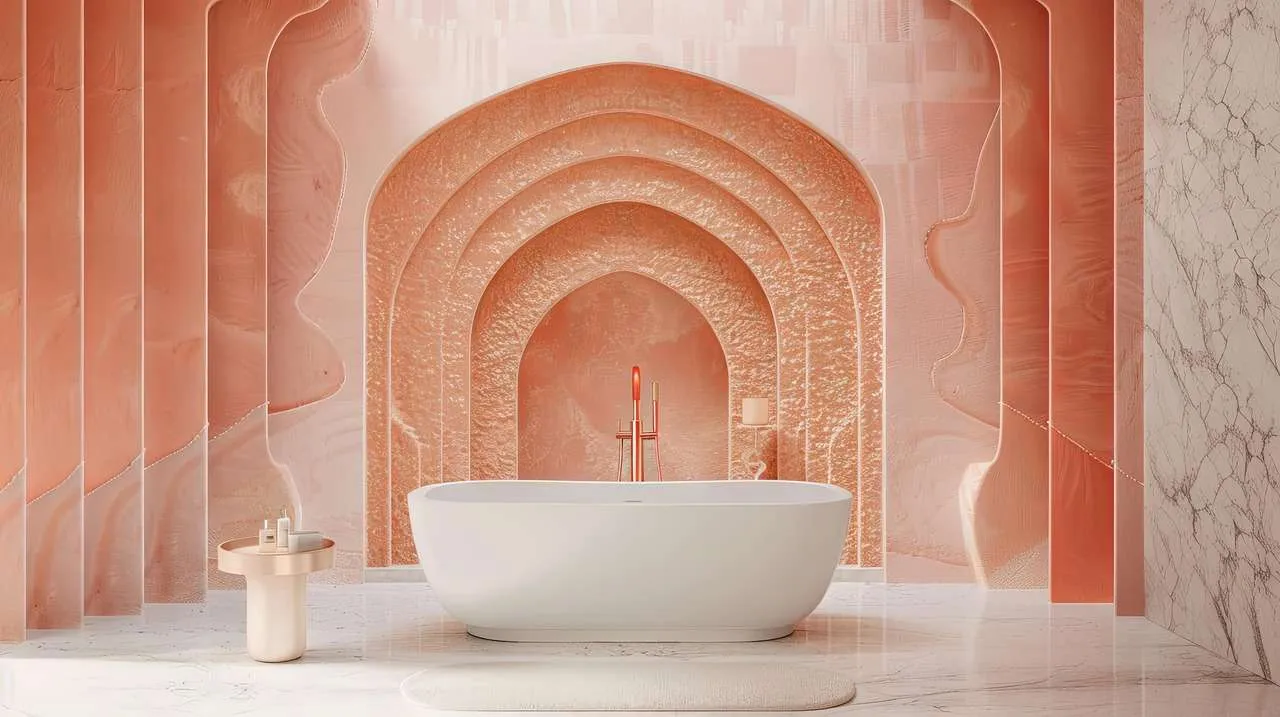
Choosing bathroom tile is more than a color choice. It combines aesthetics with durability, water resistance, and long-term maintenance. This expert guide draws on design principles and practical installation experience to help you select the right bathroom tile, plan layouts, and care for surfaces that stay beautiful for years.
Understanding Bathroom Tile: Types
Ceramic vs Porcelain
Ceramic tiles are clay-based and glazed, offering a wide range of colors and patterns at an accessible price. Porcelain tiles are denser and less porous, typically providing better water resistance and durability. In bathrooms, porcelain is often favored for floors and high-moisture zones due to its lower porosity and greater resistance to wear. When choosing, consider the tile’s water absorption rating, wear rating (PEI), and how it will perform on floors versus walls.
Natural Stone and Glass Tiles
Natural stone adds luxury and texture but requires more maintenance. Marble, travertine, and slate can stain or etch if not properly sealed, so plan periodic sealing and routine care. Glass tiles reflect light, creating the illusion of more space and offering a non-porous surface that cleans easily. However, glass mosaics can be more challenging to install and may show smudges or grout lines more noticeably, so professional installation is recommended for intricate patterns.
Large-Format and Mosaic Tiles
Large-format tiles reduce the number of grout lines and can make small baths feel more expansive. Mosaic tiles, often used in showers or niches, provide grip and style but require precise substrate preparation and backer-board water protection. When mixing formats, balance scale and grout color to avoid a busy or mismatched look.
Materials, Durability, and Maintenance
Durability depends on material, surface glaze, and installation quality. Porcelain and high-grade ceramic with proper sealing for stone offer long-lasting performance in showers and wet zones. Grout color and type (epoxy vs cement-based) affect maintenance needs. Epoxy grouts resist staining and are easier to clean in damp bathrooms but can be pricier and harder to install. For stone surfaces, use a penetrating sealer and re-seal as recommended by the manufacturer to minimize staining and water penetration.
Design and Layout Tips
Begin with a focal point, such as a shower niche or accent band, and repeat a color family or tile size to create harmony. Neutral base tiles paired with a bold accent can update the space without expensive changes. Consider anti-slip finishes for floors and matte surfaces in wet areas to reduce glare and optimize safety. Light-colored grout can brighten a room, while darker grout can hide minor imperfections. For smaller bathrooms, run larger tiles in the same direction as the long wall to elongate the space.
Installation Considerations
Proper substrate preparation and waterproofing are essential. Shower walls should have a moisture barrier, a cement backer board, and a waterproof membrane beneath the tile. Use premium thinset mortar appropriate for the tile type and substrate, and ensure adequate slope toward the drain in showers. Professional installers emphasize straight grout lines and full coverage of mortar to prevent lippage and water intrusion. When tiling around sinks and tubs, ensure trim pieces and transitions are clean and sealed to prevent water creep.
Maintenance and Cleaning
Cleaning routines depend on tile material. Ceramic and porcelain surfaces are generally easy to clean with non-abrasive cleaners. Stone requires pH-balanced cleaners and periodic sealing. Avoid acidic or highly abrasive products on stone or glass and rinse after washing to prevent residue. Re-seal stone surfaces every 1–3 years or per manufacturer guidance. Regular grout maintenance—scrubbing with a soft brush and resealing—extends the life of tiled surfaces and preserves appearance.
Cost and Longevity
Budgeting for bathroom tile involves material cost, installation complexity, and maintenance. Ceramic tiles are typically the most affordable option, followed by porcelain. Natural stone commands a premium for material and sealing, while glass mosaics can be costlier due to installation labor. Longevity depends on material choice, installation quality, and upkeep. A well-installed porcelain floor tile with proper sealing and care can last decades, whereas poorly sealed stone may require more frequent restoration.
Comparison of Tile Types
| Tile Type | Water Resistance | Durability | Maintenance | Typical Cost |
|---|---|---|---|---|
| Ceramic | Moderate | Moderate | Low to Moderate; easy to seal and clean | Low to Mid |
| Porcelain | High | High | Low; non-porous, easier to maintain | Mid to High |
| Natural Stone | Variable (needs sealing) | High (with proper care) | High; requires sealing and periodic re-sealing | High |
| Glass/Mosaic | High (non-porous) | Moderate | Low to Moderate; grout maintenance can be a factor | High |
Design Inspiration and Practical Steps
To move from idea to reality, gather samples, review room lighting, and map out a mock layout on paper or a digital planner. Consult a licensed tile installer for substrate checks, waterproofing needs, and recommendations on grouts and sealers. Request written quotes that include materials, labor, waterproof membranes, and a timeline. With thoughtful selection, precise installation, and routine maintenance, bathroom tile can deliver enduring beauty and practicality.
Conclusion
Conclusion, selecting bathroom tile combines style with function. Prioritize material suitability for wet zones, plan for proper substrate preparation, and choose a grout and sealer strategy that fits your lifestyle. A well-chosen tile system will provide lasting durability, easy maintenance, and a cohesive design that enhances your daily routines.
Summary: By understanding tile types, planning layout, and committing to proper installation and care, you can achieve a stylish, durable bathroom that stands the test of time.
%20201-4003-9991f1c4c750?q=80&w=2070&auto=format&fit=crop)